
Download our brochure
Enter your email or download instantly.
Reliable Water Purification Solutions
Clean and reliable water is the backbone of residential, industrial, and institutional complexes. From manufacturing processes and cooling systems to domestic consumption and boiler operations, water quality directly affects quality of life, manufacturing efficiency, product quality, and infrastructure lifespan.
Aapaavani designs and implements advanced water treatment plants (WTP) that transform raw or contaminated water into water suitable for industrial processes, utilities and potable applications. Our solutions combine filtration, membrane technologies, chemical treatment, and advanced monitoring systems.
Our Water Treatment Plants Ensure:
- Stable process operations
- Longer equipment life
- Reduced maintenance costs
- Compliance with standards
- Reliable water supply for operations
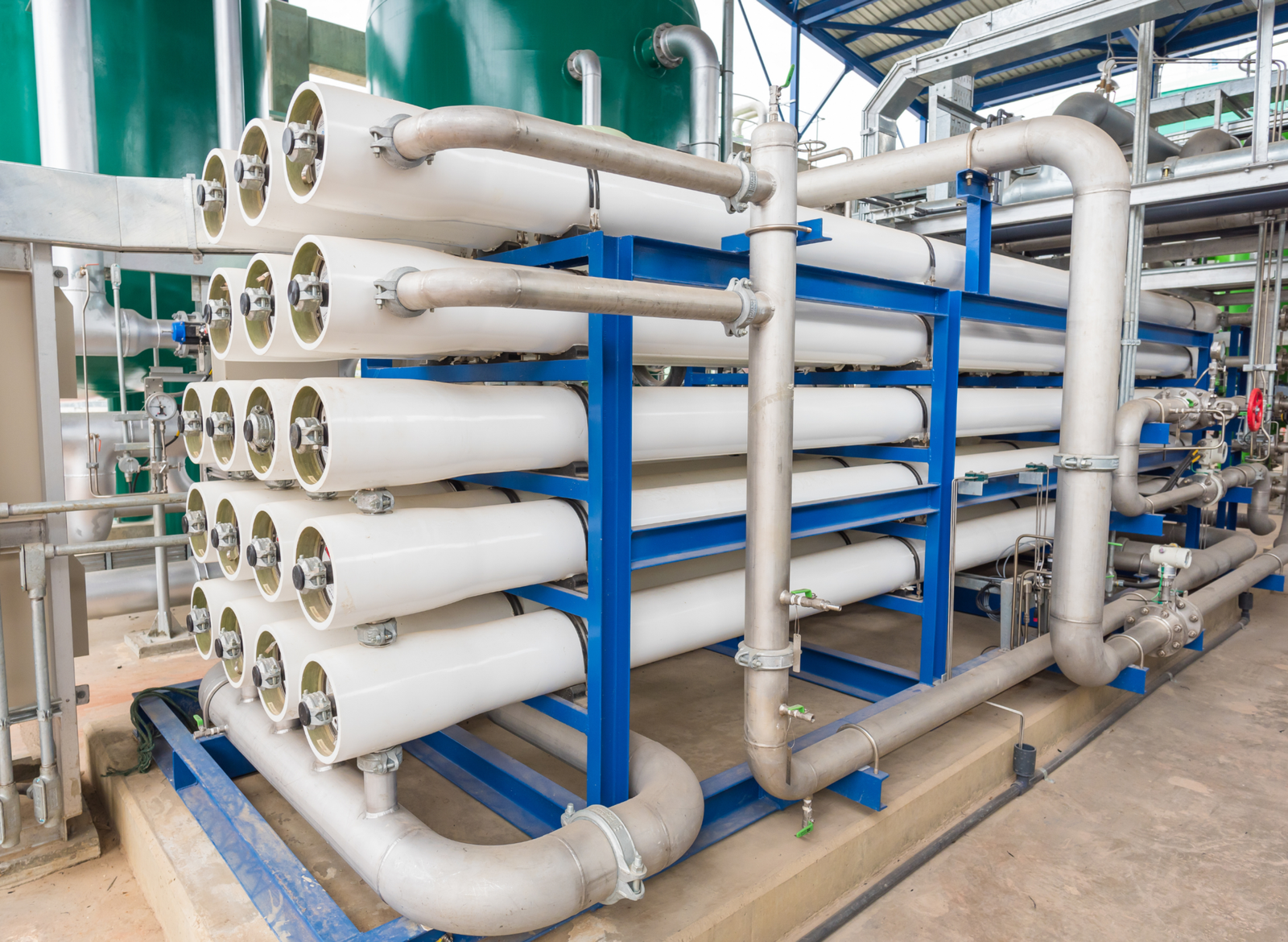
Aapaavani Water Treatment Solutions
Aapaavani offers a comprehensive portfolio of water treatment technologies. Whether the source is groundwater, surface water, municipal supply or recycled wastewater, Aapaavani engineers treatment systems tailored to the specific water chemistry and application requirements.
Each system is engineered based on detailed water analysis, application requirements and operational considerations, including:
- Water filtration plants
- Water softener systems
- Reverse osmosis (RO) plants
- De-mineralisation (DM) plants
- Disinfection systems
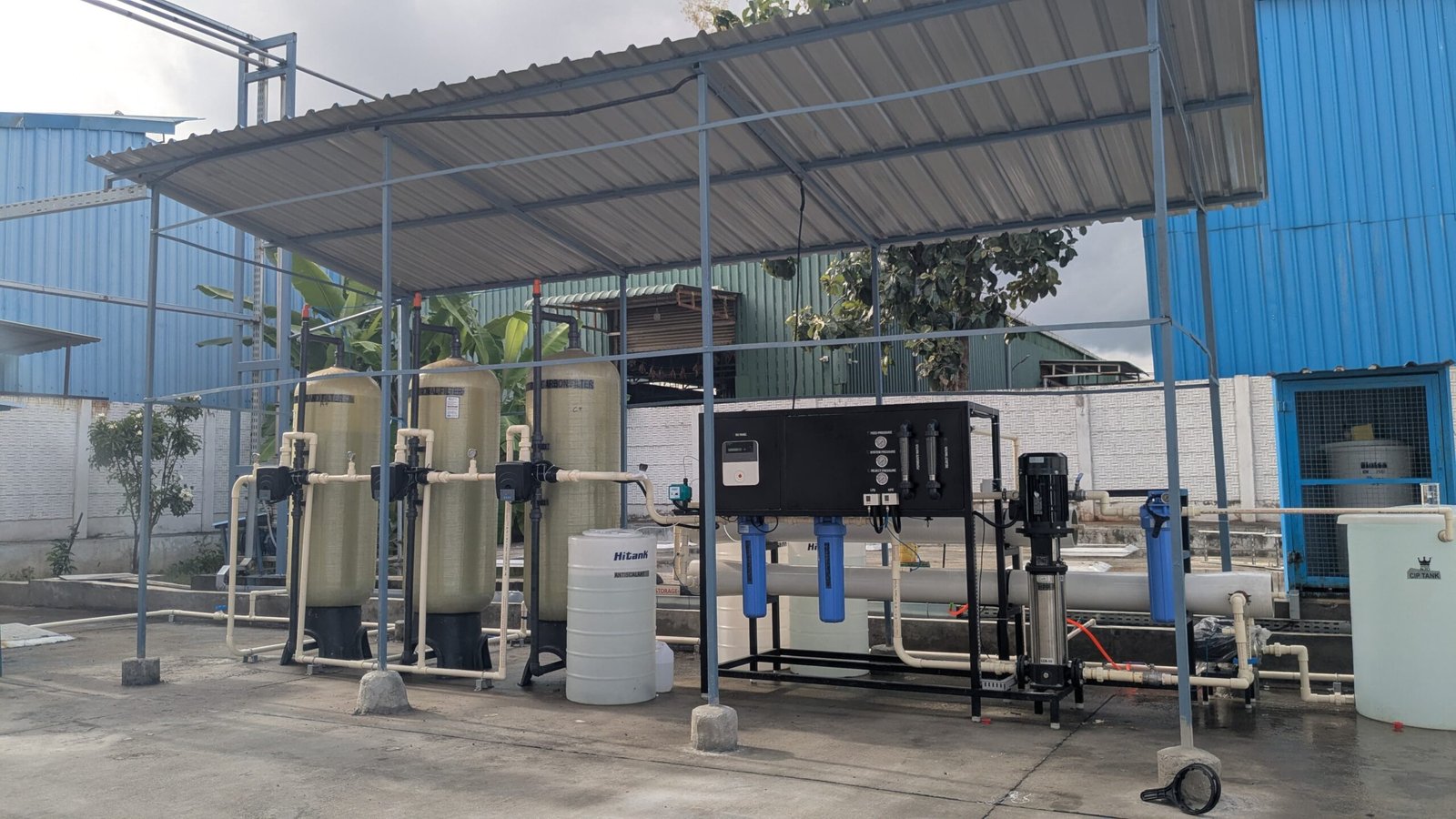
Core Purification Technologies
We integrate the most suitable technologies based on specific raw water characteristics to ensure consistent quality for your facility.
Water Filtration Plants
Removes suspended solids, turbidity and particulate matter from raw water. Filtration improves water clarity and protects downstream treatment equipment. Systems typically include pressure sand filters, multi-grade filters, and activated carbon filters.
Water Softener Plants
Hard water contains high concentrations of calcium and magnesium salts that cause scaling. Softener plants use ion exchange technology to remove hardness-causing minerals, improving system efficiency and reducing maintenance costs.
Reverse Osmosis (RO) Plants
A membrane-based technology that removes dissolved salts, chemicals and impurities. Uses semi-permeable membranes to reject dissolved contaminants, delivering high-purity water suitable for demanding industrial applications.
De-Mineralisation (DM) Plants
Removes nearly all dissolved mineral salts from water through ion exchange processes (cation, anion, and mixed bed polishing units). Produces ultra-low conductivity water suitable for highly sensitive industrial processes.
Disinfection Units
Eliminates harmful microorganisms and pathogens in water ensuring safe water for consumption and hygienic applications. Common technologies include ultraviolet (UV) disinfection, chlorination systems, and Ozonation.
Integrated Water Treatment Systems
Many facilities require multiple treatment processes working together. Aapaavani engineers integrated systems combining filtration, softening, membranes, and disinfection to perfectly match specific application requirements.
Industries & Facilities Served
Our custom-engineered water treatment plants are widely used across diverse sectors demanding uncompromising reliability.
- Manufacturing industries
- Food and beverage processing plants
- Pharmaceutical facilities
- Hospitals and healthcare campuses
- Hotels and hospitality properties
- Educational institutions
- Commercial complexes
Smart Monitoring & Automation
Modern water treatment plants benefit from automation and process monitoring. These features help plant managers maintain consistent water quality while reducing operational effort.
- Online water quality sensors
- Automated chemical dosing systems
- Remote monitoring dashboards
- Process optimisation tools
Frequently Asked Questions
How do I determine which water treatment system is required?
Water treatment requirements depend on the source water chemistry and the intended application. A detailed water analysis helps determine the appropriate treatment technologies.
Can water treatment systems reduce equipment scaling and corrosion?
Yes. Systems such as water softeners, RO plants and de-mineralisation plants remove minerals and dissolved salts that cause scaling and corrosion in industrial equipment.
Can treated water be reused in industrial processes?
Yes. With appropriate treatment technologies, water can be purified and reused in many industrial applications, significantly reducing freshwater consumption.
Do water treatment plants require continuous manual monitoring?
No. Modern plants can incorporate automation, sensors and remote monitoring systems that drastically simplify operation and reduce the need for manual intervention.