Download our brochure
Enter your email or download instantly.
AUSTENPRO™ Advanced Industrial Wastewater Treatment Systems
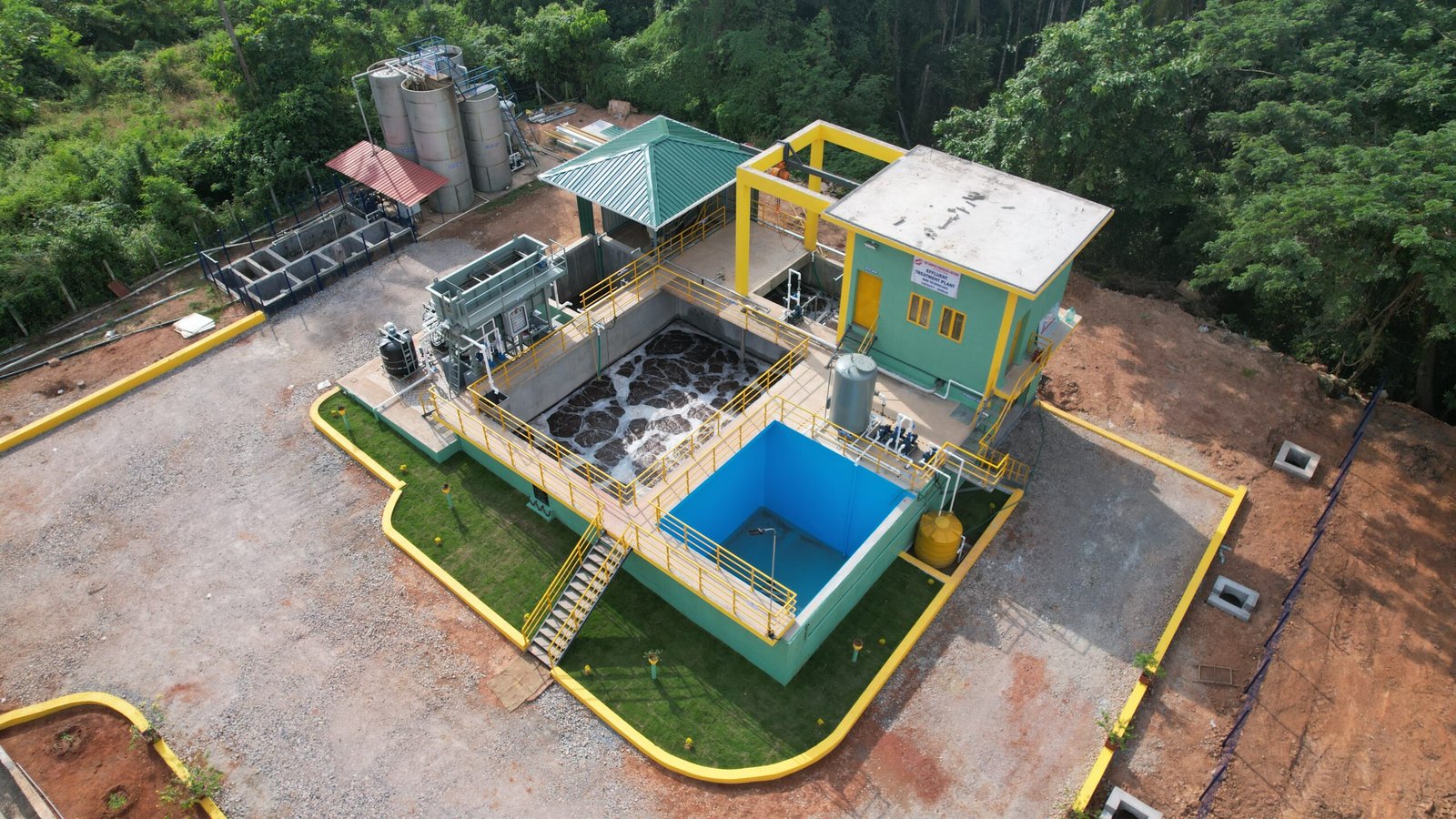
Industrial wastewater is complex, variable and often difficult to treat reliably. Oils, chemicals, nutrients, heavy metals, and fluctuating production loads make standard, run-of-the-mill wastewater designs fail in real-world operations.
AUSTENPRO™ is Aapaavani’s specialised engineering platform for industrial effluent treatment plants (ETP) built for the modern-day realities of manufacturing wastewater.
Each of our systems is engineered using real effluent data, field diagnostics, on-site pilots, and process modelling, ensuring that treatment systems operate reliably while exceeding regulatory discharge standards set by Central Pollution Control Boards (CPCB) and State Pollution Control Boards (SPCBs).
Challenges With Industrial Effluents
Manufacturing sectors across India are facing stricter environmental regulations and rising water scarcity.
Major Challenges
- Mixed effluents (bio-chemical); Legacy systems; Limited budgets
- Managing Nutrient, Dissolved Oxygen Loading
- Micro-Organisms, Foam, Odour, pH, etc.
- Sludge Settleability, Sludge Wasting, etc
- Real-time monitoring and meeting strict standards
- High manual operations & human intervention throughout
- Zero Liquid Discharge (ZLD) and other growing compliance requirements
The Risks
- Shutdowns
- Heavy penalties
- Legal notices
- Loss of revenue
- Reputation loss
What Is AUSTENPRO™
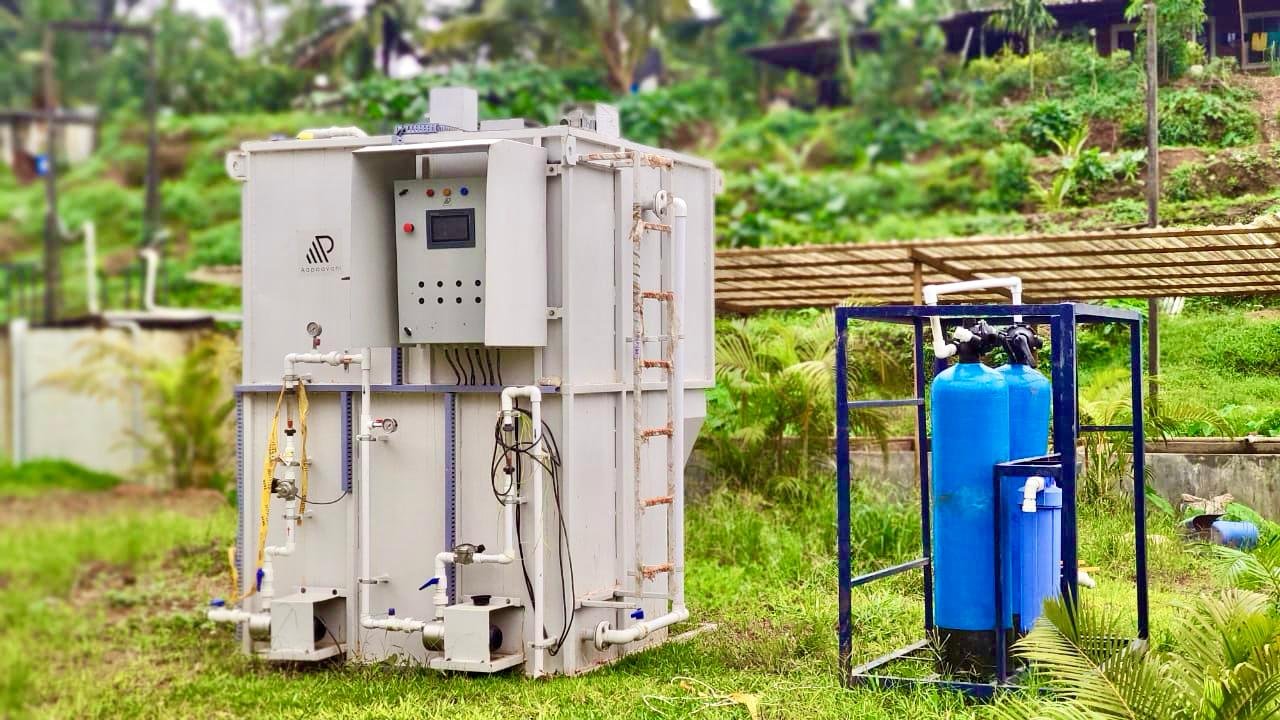
AUSTENPRO™ is Aapaavani’s integrated solution for industrial effluent treatment and plant optimisation. It is designed and customised through a structured engineering approach:
- Field diagnostics and sampling
- Laboratory analysis of effluent characteristics
- Process modelling and pilot testing
- Optimised plant design or re-engineering
Industries Served
AUSTENPRO™ systems are designed for a wide range of manufacturing industries. We can treat industrial wastewater flows ranging from 1 KLD to 1 MLD or more across almost all industrial sectors.
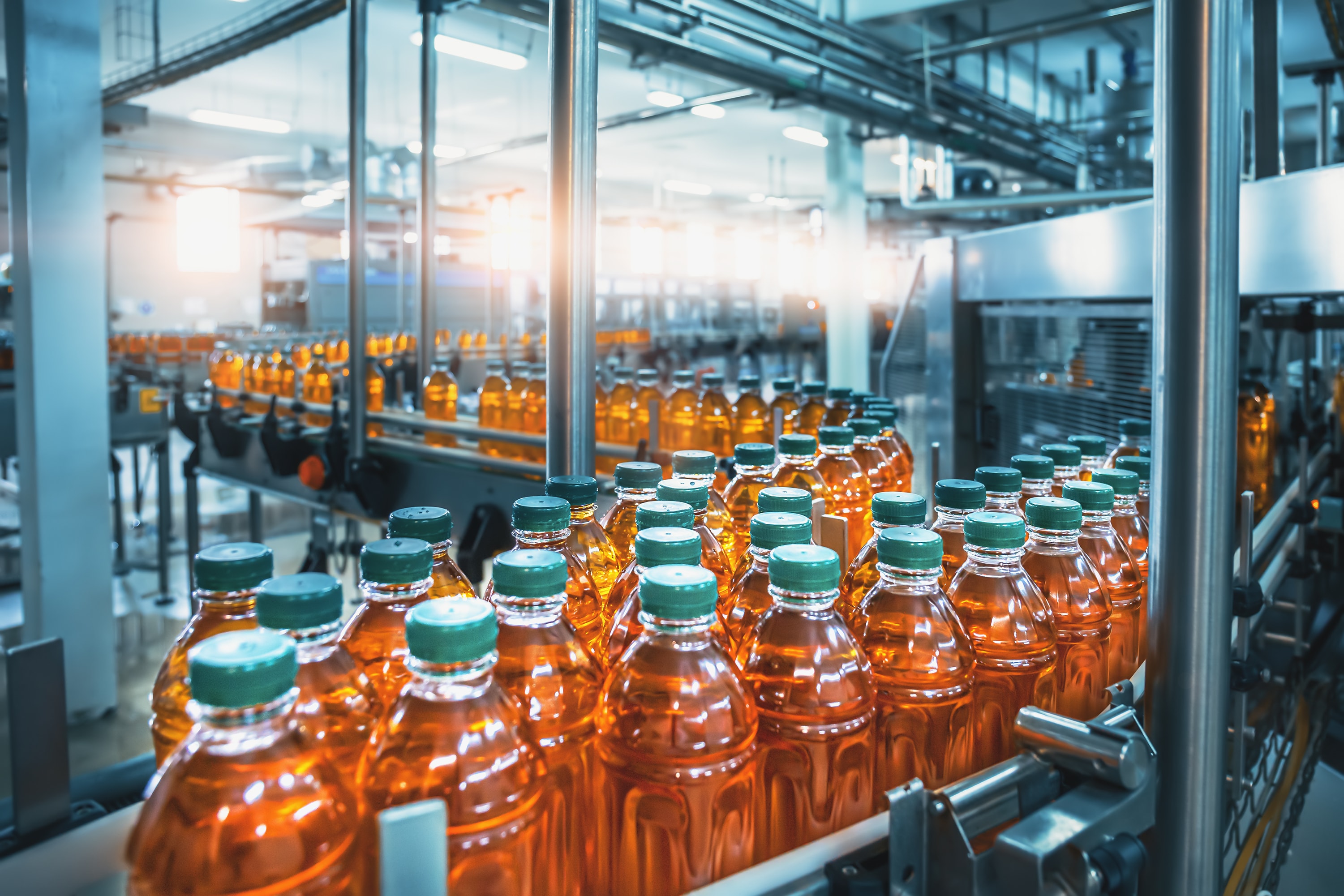
Food & Beverage Processing
Wastewater containing high organic loads, fats, sugars and suspended solids.
Poultry & Chicken Processing
High protein loads, fats and biological contamination requiring robust treatment systems.
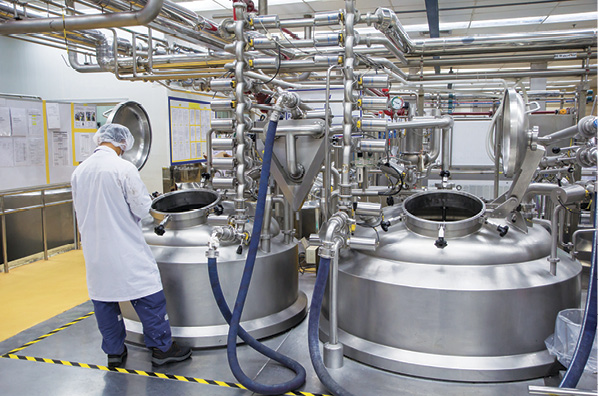
Dairy Processing
Effluents rich in fats, lactose and organic nutrients requiring stable biological treatment.

Textile Processing
Wastewater containing dyes, salts, surfactants and variable chemical loads.

Chemical & Pharma Manufacturing
Complex wastewater with solvents, high COD loads and toxic compounds.

Other Allied Sectors
Automotive & Engineering, Metals & Surface Treatment, Pulp & Paper, Electronics, and Cosmetics.
How AUSTENPRO™ Works
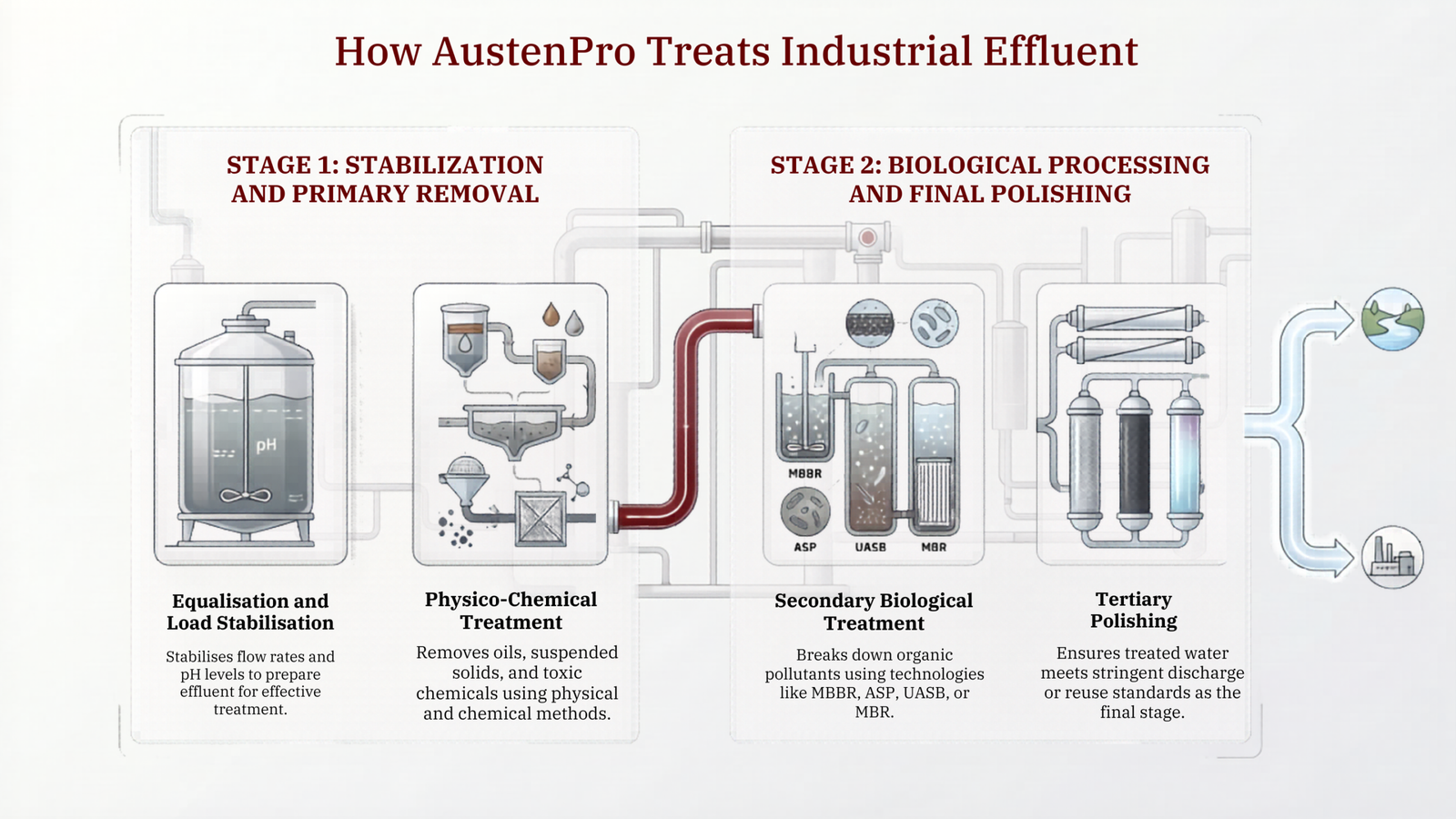
Industrial effluent treatment typically requires a multi-stage treatment train. AUSTENPRO™ systems integrate the most suitable technologies based on the specific effluent and site characteristics.
Zero Liquid Discharge (ZLD)
For industries required to eliminate wastewater discharge, AUSTENPRO™ systems are ideal to integrate Zero Liquid Discharge (ZLD) solutions. These may include:
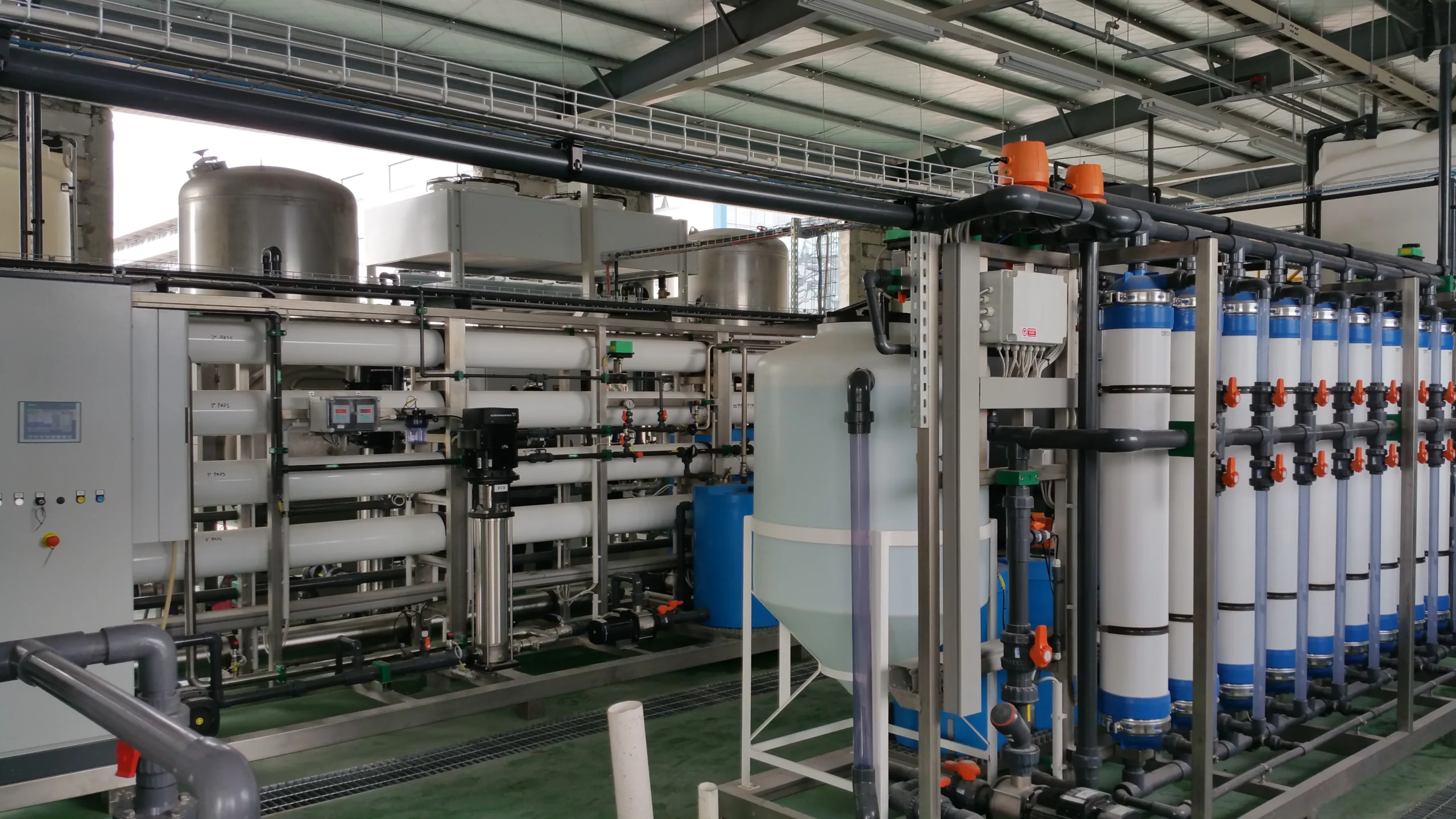
- Advanced membrane systems
- Evaporation and concentration technologies
- Water recovery systems
- Advanced sludge management
- Salt and residue management
ZLD systems enable industries to recover water while complying with strict environmental regulations.
Why Choose AUSTENPRO™
AUSTENPRO™ systems are built around one principle: treatment plants must work reliably in real industrial environments.
Re-Engineering Expertise
One of Aapaavani’s core strengths lies in reviving underperforming or failed treatment plants. Instead of spending heavily on new construction, AUSTENPRO™ focuses on identifying root causes such as poor equalisation design, inadequate primary treatment, hydraulic mismatches, or operational inefficiencies.
Automation & Smart Monitoring
Modern treatment plants require more than mechanical equipment. AUSTENPRO™ systems can integrate online water quality sensors, automated chemical dosing, process monitoring dashboards, and remote system alerts to maintain stable performance while reducing operational stress.
Built for Real Environments
Designed using actual effluent data, capable of meeting CPCB and SPCB discharge standards, and suitable for flows from 1 KLD to 1 MLD+. We employ a retrofit-friendly engineering approach with ZLD-ready solutions where required.
Frequently Asked Questions
Can treated water be reused?
Yes. With tertiary treatment or membrane systems, treated water can be reused for cooling towers, process washing or landscaping.
How long does installation take?
Typically 3-6 months for new plants based on scale and technology. Re-engineered plants may take much less time for installation and commissioning.
How does AUSTENPRO™ ensure regulatory compliance?
AUSTENPRO™ systems are designed to meet or exceed the discharge standards prescribed by the CPCB and relevant SPCBs. During the design stage, our engineers analyse the specific effluent characteristics, flow variability, and regulatory requirements applicable to the facility to ensure that the treatment system consistently meets discharge norms.
How do I know whether my plant needs upgrading or replacement?
A technical audit of the plant typically reveals whether failures are operational or structural. Many plants can be restored through re-engineering. A simulation or on-site pilot can also be performed to ensure that we choose the best possible approach to achieve compliance.
Can AUSTENPRO™ reduce operating and maintenance costs?
Yes. Many industrial treatment plants suffer from high operating costs due to inefficient aeration systems, excessive chemical consumption, or poorly designed hydraulic flow patterns. Through process optimisation, better load balancing, and improved technology, AUSTENPRO™ systems are designed to reduce energy consumption, optimise chemical dosing, and minimise sludge generation, leading to significantly lower operating and maintenance costs.