Download our brochure

Enter your email or download instantly.

CAMPCO Chocolate Factory —
300 KLD ETP Revamp (Puttur)

A targeted redesign replaced an unstable, land-hungry activated-sludge system with a compact DAF → extended aeration → MBR train, restoring compliance and enabling near-complete onsite reuse of treated water.

Overview

Location: Puttur, Mangalore Capacity: 300 KLD ETP Technology: DAF+MBR Sector: Food Processing

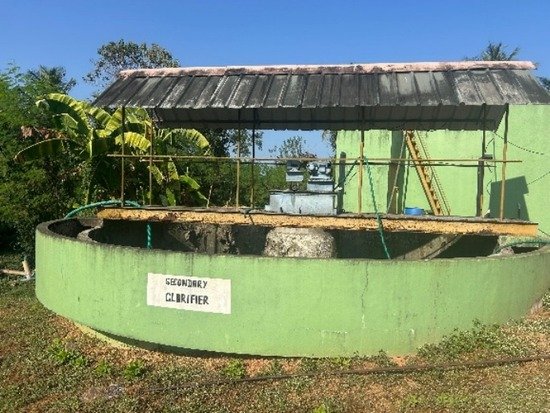
Who doesn’t love chocolates! Yet, the chocolate processing is anything but simple. And even more complex is its effluent. A highly variable, high-strength wastewater full of fats, oils, sugars, and proteins. At this site, a decades-old conventional ETP was struggling to manage this load with frequent clarifier overload, sludge carry-over, and poor primary removal. The result was unstable biological performance, high energy and chemical bills, and high compliance risk. The old plant occupied close to an acre of valuable land and could not reliably produce reuse-quality water.

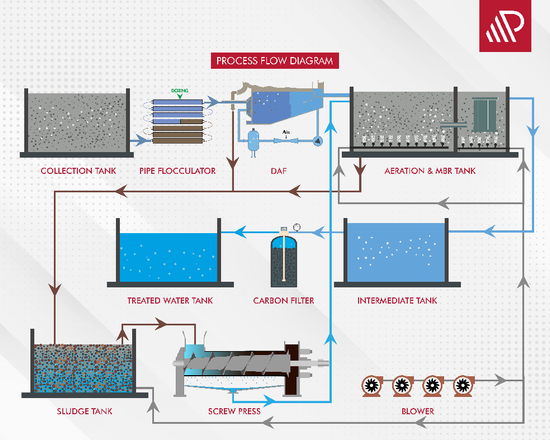
For Aapaavani, this project was a milestone achievement. One of the first opportunities to truly demonstrate our technical depth in handling complex industrial effluents. After detailed technical assessment, simulations, expert inputs, and research, we narrowed down to a targeted redesign with a compact DAF → extended aeration → MBR train to enable near-complete onsite reuse of treated water.

The challenge

  • Old system: A decades-old conventional ETP was struggling to manage this load with frequent clarifier overload, sludge carry-over, and poor primary removal.
  • The Client Challenge: Managing high organic loads typical of chocolate production, including fats, oils, sugars, and proteins. Unstable biological performance, high energy and chemical bills, and high compliance risk.

Our Approach

  • Installed a Dissolved Air Flotation (DAF) unit up-front to remove fats, oils, and light solids.
  • Re-designed biological stage for extended retention time with fine-bubble aeration for better oxygen transfer.
  • Integrated a Membrane Bio-Reactor (MBR) to eliminate clarifier dependence and deliver consistent filtration quality.
  • Added PLC automation, controlled sludge recirculation, and activated-carbon polishing for final polishing.
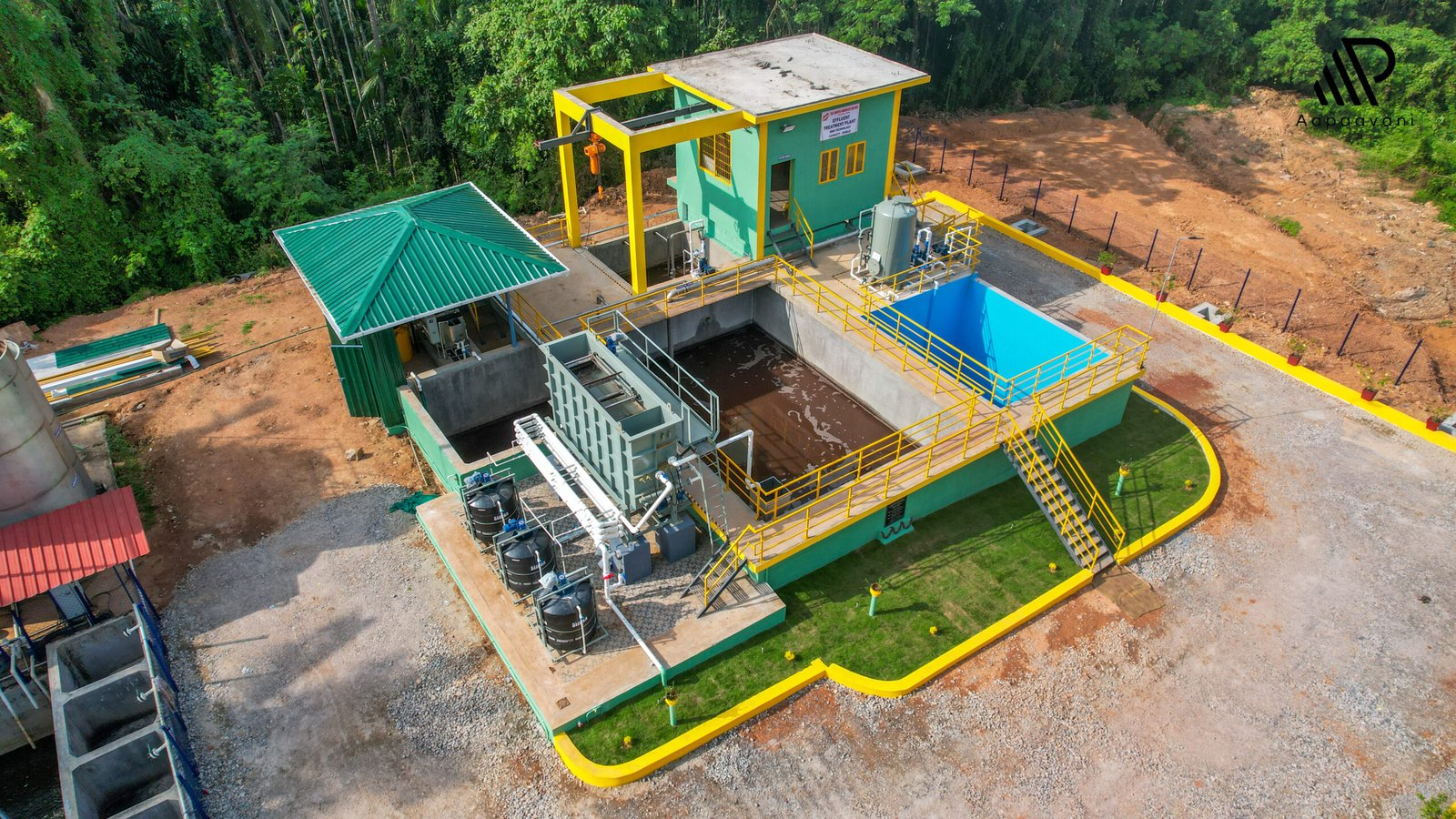
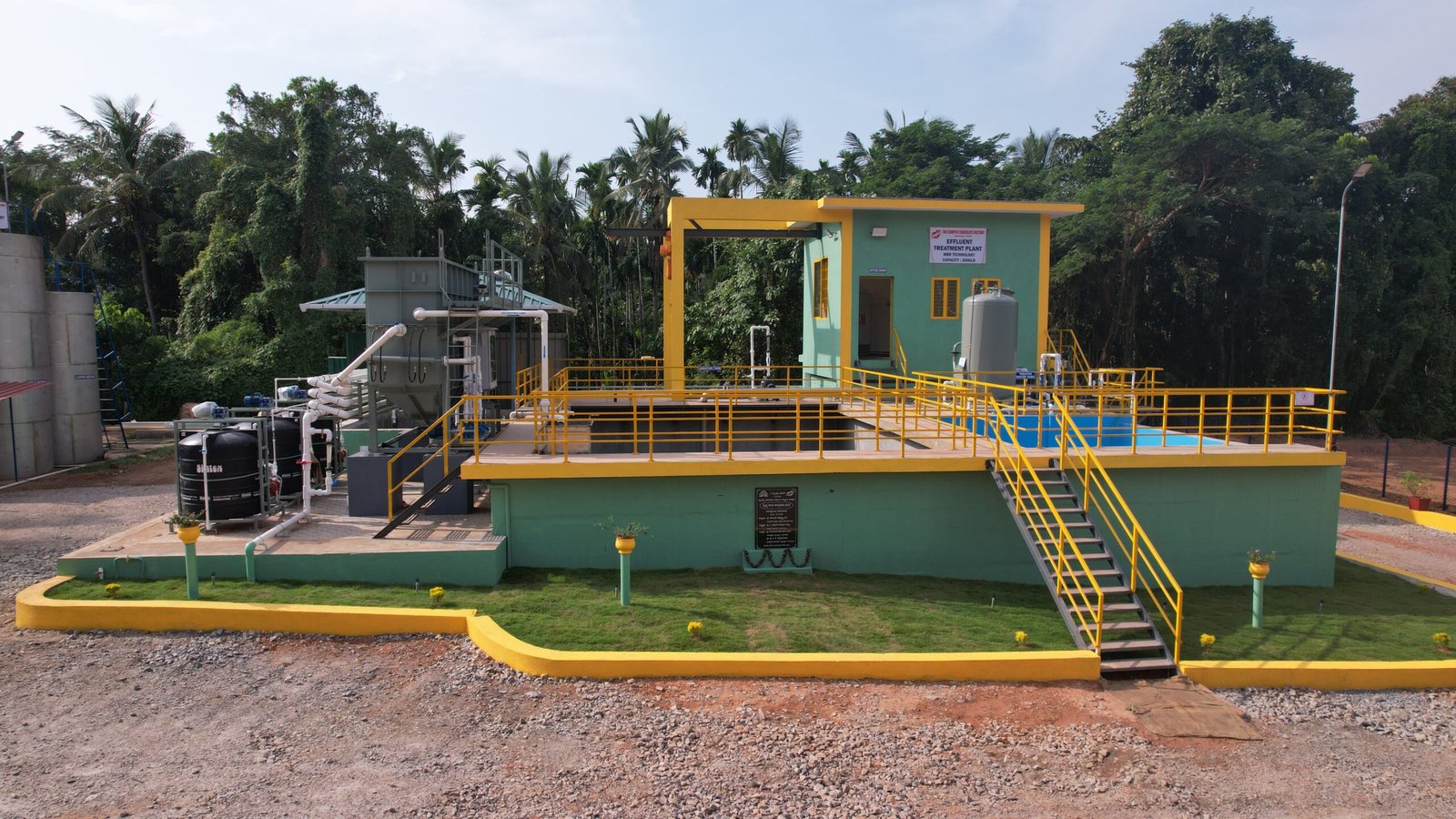
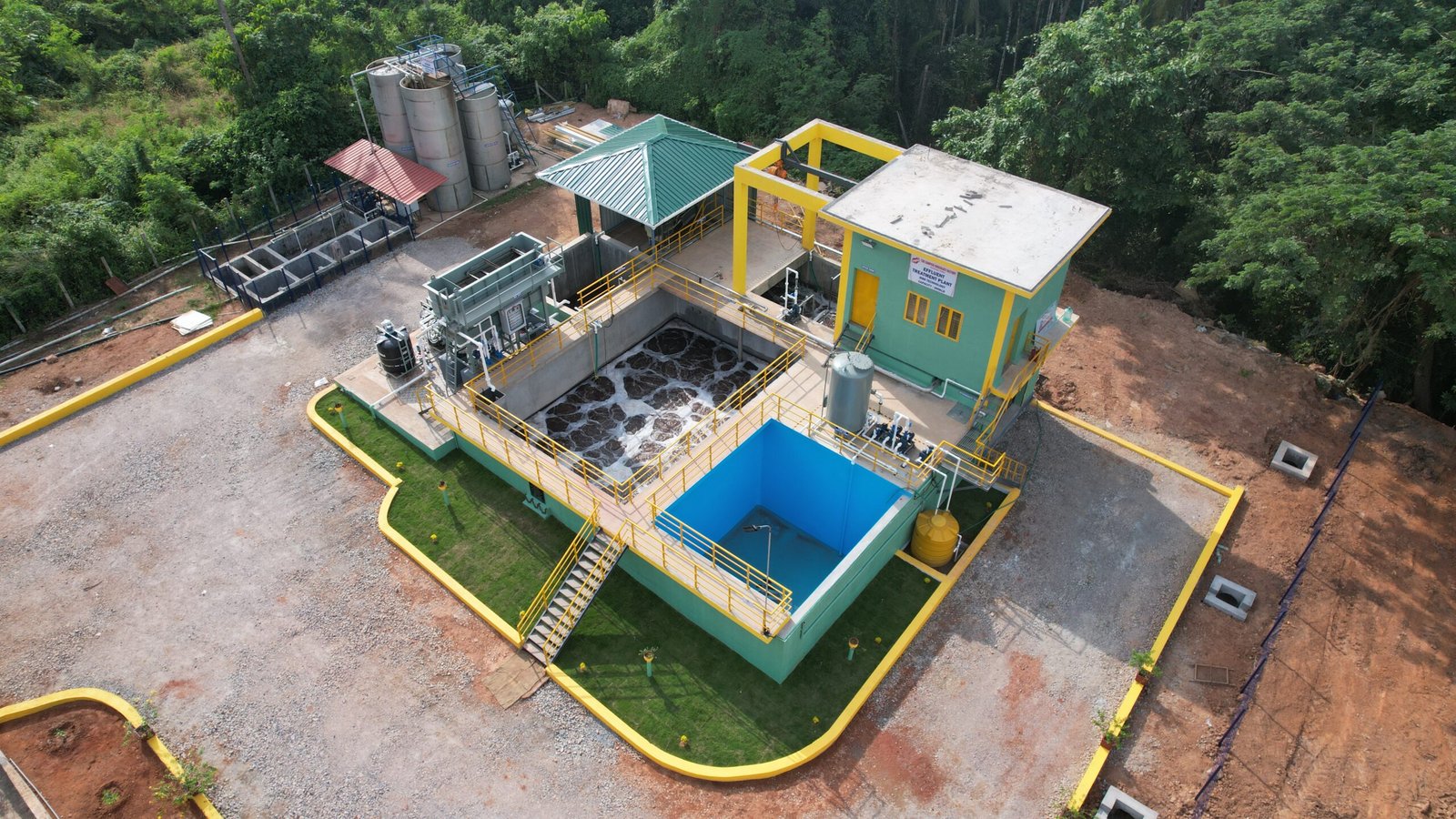
  • Reconfigured layout to compress the entire plant footprint to <20 cents (from ~75–80). (Process diagram and 3D concept available in the project file).

Measured Outcomes

(Lab-tested operating values from post-commissioning monitoring)

Sl No Chemical Parameters Units Inlet Result Maximum Permissible Limits
1 BOD at 27 c (3 days) mg/L 250-300 <2 ≤10
2 Chemical Oxygen Demand (COD) mg/L 400-500 <10 ≤50
3 Total Suspended solids mg/L 200-250 <1 ≤20
4 Oil & Grease mg/L 10 <1 ≤10
5 pH @ 25 C - 7.21 7.21 6.5 – 9.0

Business & Operational Impact

  • Freed up over 50% of the ETP site area for other productive use.
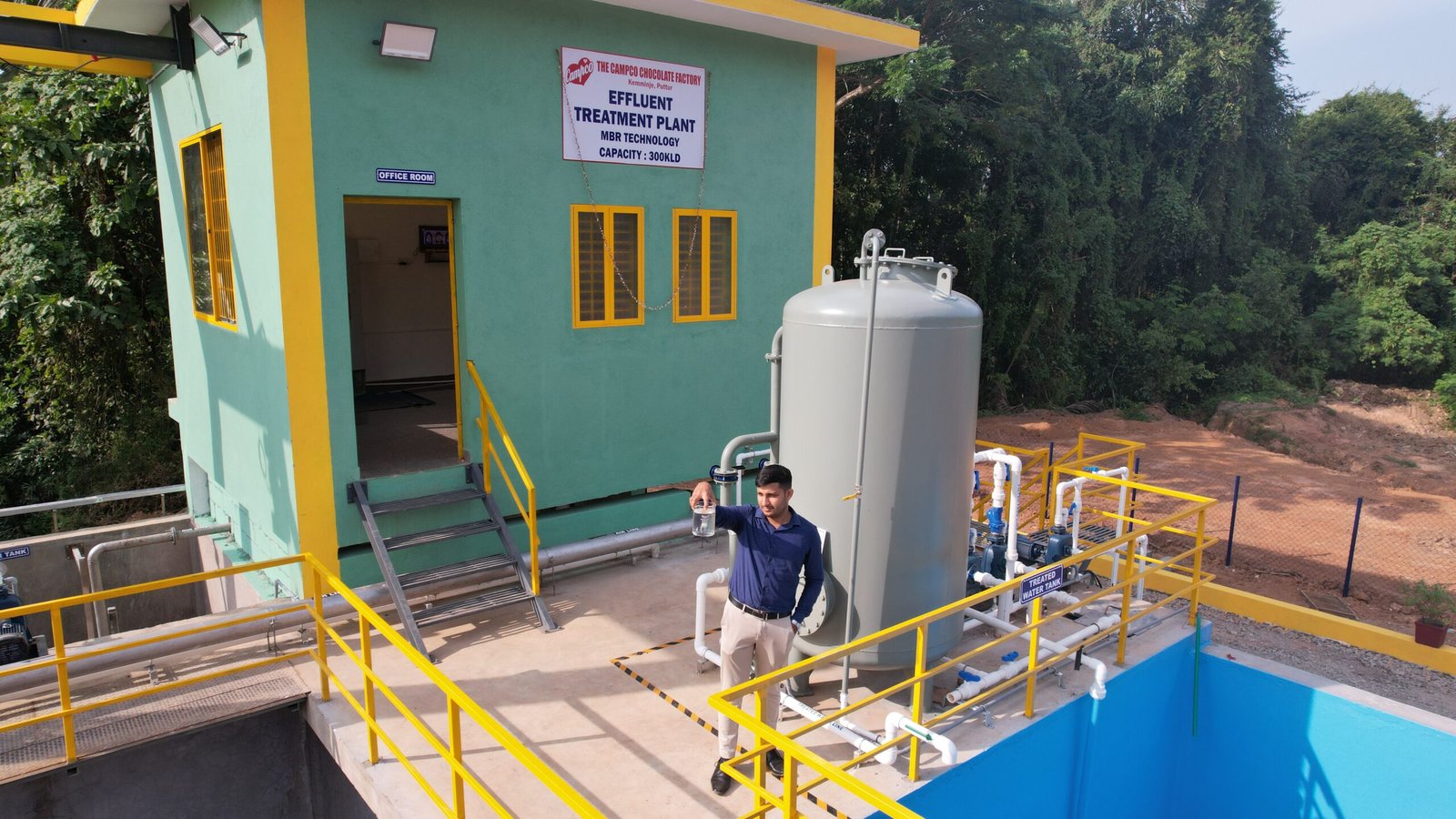
  • Enabled wastewater reuse for cooling-makeup and utilities, reducing freshwater consumption by ~220,000 L/day.
  • Major reduction in regulatory risk, operator stress, and unplanned downtime.
  • Energy and chemical consumption trimmed through process optimisation (DAF + fine-bubble aeration + MBR).
  • Stable operation for more than three years with consistent compliance and low variability.

Want this outcome for your plant?

Request a 48-hour diagnostic: we’ll assess whether a scientific re-engineering can restore performance, reduce footprint and unlock water reuse for your plant.

Old Plant
Old Plant

New process diagram + 3D layout
Process Diagram

Client perspective

“The revamp delivered consistent, high-quality treatment and reclaimed valuable land. Team Aapaavani’s technical clarity and hands-on execution gave us confidence.”

— Facility Head, Campco Chocolates!

Detailed Diagnostic & Approach

When our team first walked into the CAMPCO site, the problem did not feel like a single broken part; it felt like a misread story. On paper, the plant looked conventional and adequate. In the yard, it behaved otherwise. The clarifier was full, the aeration tanks were unstable, operators were tired of firefighting, and the outputs remained unreliable.

We began by tracing the flows, literally following the wastewater from the production floor to the discharge point. Two linked technical issues emerged quickly. First, the primary clarifier was undersized for the actual influent it received. We measured the surface overflow rates and weir loading and found them outside acceptable limits for confectionery wastewater, which carries a high fraction of fats, oils and fine organic solids. Under those conditions, the clarifier could not remove the lighter fractions and fine particulates; these escaped downstream.

Second, sludge recirculation was ad hoc. Return flows were inconsistent, so the biological tanks could not hold a stable biomass concentration. That combination of hydraulic overload at primary treatment plus poor return sludge control meant the aeration tanks constantly experienced shock loads, oxygen demand spikes and microbial upset.

Put in plain terms: primary separation failed, and the biological system was forced to carry the burden. The result was variable effluent quality, frequent operator interventions, higher energy and chemical use, and growing regulatory risk.

Technology evaluation at CAMPCO was thorough. Several vendors proposed MBBR, SBR or upgraded conventional activated sludge trains with tertiary polishing. We, however, took a different approach. Rather than defaulting to a single technology, we used the diagnostic evidence to shape the option set. Our reading was that the biological system itself could work once upstream loading was stabilised and solids were kept out of the aeration tanks.

Our assessment led us to narrow down a compact solution concept: a dedicated Dissolved Air Flotation (DAF) for robust pretreatment, followed by extended-aeration biological treatment integrated with a Membrane BioReactor (MBR), and finishing with activated-carbon polishing.

Membranes always trigger questions: fragility, replacement cost, downtime. We addressed those concerns directly. We explained modern MBR operating principles, expected membrane life-cycles, cleaning regimes and spare-parts planning, and laid out the maintenance tasks and associated costs transparently. To remove theory from the conversation, we offered a demonstration unit so CAMPCO’s team could observe flux behaviour, cleaning cycles, and permeate quality in real conditions. That empirical step shifted the discussion from fear to fact.

A second, strategic element of the proposal was footprint redesign. The existing plant occupied roughly 75–80 cents of land in a rapidly developing industrial estate. We proposed relocating and reconfiguring the treatment train into a compact layout that fit within roughly 10 cents, with total operational area kept under 20 cents when access and working space were included. This reclaimed land value was as persuasive as any technical argument: it unlocked storage and expansion options for the factory and changed the economics of the decision.

After nearly six months of technical reviews, walkthroughs and stakeholder sessions, CAMPCO approved the Aapaavani design. Implementation followed a staged plan: install DAF and equalisation to remove fats and dampen peaks; rebuild aeration capacity with fine-bubble diffused aeration and controlled MLSS targets; integrate MBR modules with PLC-based monitoring and automated cleaning cycles; and add an activated-carbon polishing step to remove residual colour and organics for reuse-grade water. Sludge recirculation was redesigned with controlled RAS and scheduled wasting to stabilise biomass levels.

Since commissioning, the plant has run steadily. The DAF protected the biological stage from oil and grease; the revised aeration and recirculation regime provided a stable microbial environment; the MBR delivered predictable, low-turbidity permeate. Practically, CAMPCO now reuses most of the treated water for cooling-tower makeup and toilet flushing, cutting groundwater withdrawal by about 220,000 litres per day. The plant footprint sits under 20 cents, compliance has moved from intermittent to steady, and operator workload and unplanned interventions have dropped considerably.

Dr Vishnu Sharma A
Founder and Director, Aapaavani Environmental Solutions

Client Testimony

To Whomsoever It May Concern

At our Campco Chocolate Factory in Puttur, we were struggling with a conventional ETP. It relied on large aeration tanks with surface aerators followed by a secondary clarifier. The treated water quality was often inconsistent, with excess sludge carryover, high turbidity, and fluctuating BOD and COD. This made compliance a constant challenge despite our best efforts.

In 2023, we began exploring advanced technologies for a complete revamp. That’s when Dr Vishnu Sharma and Mr Chinmaya from Aapaavani visited our factory. Their evaluation was thorough, and their suggestion to move towards a membrane-based system aligned perfectly with our need for reliability. After visiting some of Aapaavani’s operating ETPs, we were convinced by both their technical expertise and their clarity in executing complex systems.

After much deliberation, we chose to go ahead with a greenfield 300 KLD Membrane Bio Reactor (MBR) system. One of the biggest advantages was space efficiency. While our old system spread over half an acre, the new plan would fit within just 0.1 acre. Aapaavani delivered the entire turnkey project, including design, civil works, installation, and commissioning.

With the founders closely supervising the work, their expertise and simple explanations made the system easy to grasp for everyone, including non-technical staff. Despite some monsoon-related delays in civil work, the project execution was smooth. What stood out was Team Aapaavani’s humble approach and sincere effort. As young engineers specializing in wastewater treatment, their expertise is timely as the industry is in urgent need of such specialised knowledge.

Today, our 300 KLD ETP plant has been running successfully for over a year, delivering consistent high-quality treatment. Their consistent support throughout and even after the project completion continues to inspire confidence. We are very happy with Aapaavani’s work and wish their young and capable team a bright future ahead.

— Facility Head, Campco Chocolates